
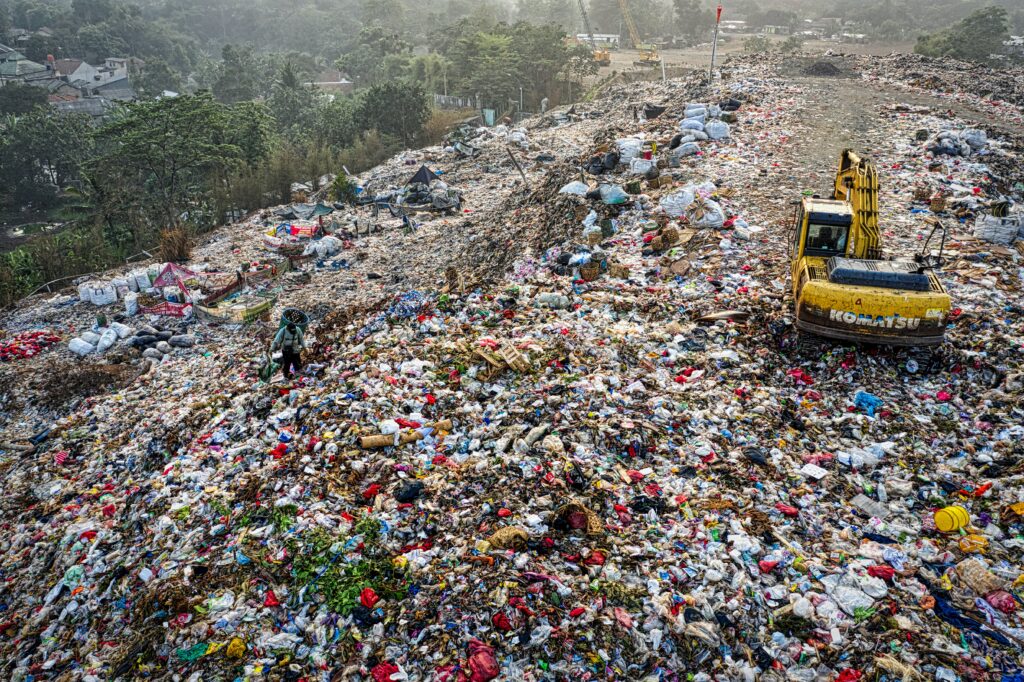
In today’s world, where environmental concerns are at the forefront of global discussions, plastic recycling stands out as a crucial aspect of sustainable waste management. As we grapple with the ever-increasing burden of plastic waste on our planet, understanding the importance of effective plastic recycling is paramount. This article delves into the significance of plastic recycling and its role in waste management strategies, emphasizing key practices and benefits while optimizing for essential SEO keywords: plastic recycling and plastic waste management.
Understanding Plastic Recycling
Plastic recycling involves the process of recovering waste plastic and reprocessing it into useful products. It encompasses various stages, including collection, sorting, cleaning, shredding, melting, and pelletizing, ultimately transforming discarded plastic into raw material for new products. This cyclical approach not only minimizes the consumption of virgin resources but also reduces the environmental impact associated with plastic disposal.
Importance of Plastic Recycling
1. Environmental Conservation:
- Plastic recycling helps mitigate environmental pollution by diverting plastic waste from landfills and incinerators, thereby conserving natural resources and reducing greenhouse gas emissions.
- By recycling plastics, we lessen the burden on ecosystems and wildlife, as plastic pollution poses significant threats to marine life and terrestrial habitats.
2. Resource Conservation:
- Recycling plastic conserves valuable resources such as petroleum, the primary raw material used in plastic production. By incorporating recycled plastic into manufacturing processes, we reduce the demand for virgin materials and lessen the strain on finite resources.
3. Economic Benefits:
- Plastic recycling presents economic opportunities by creating jobs in the collection, sorting, processing, and manufacturing sectors. It fosters a circular economy where materials are reused, generating revenue and promoting sustainable growth.
Best Practices in Plastic Recycling
1. Efficient Collection Systems:
- Implementing comprehensive collection systems, including curbside recycling programs, drop-off centers, and deposit-refund schemes, enhances plastic waste recovery rates and promotes citizen participation.
2. Advanced Sorting Technologies:
- Utilizing advanced sorting technologies such as optical sorting and automated systems improves the efficiency and accuracy of plastic sorting, facilitating the segregation of different plastic types for optimal recycling outcomes.
3. Public Awareness and Education:
- Educating the public about the importance of plastic recycling through awareness campaigns and educational initiatives fosters responsible consumption habits and encourages recycling behavior.
Conclusion
In conclusion, plastic recycling plays a pivotal role in sustainable waste management practices, offering environmental, economic, and social benefits. By embracing efficient recycling strategies and promoting public engagement, we can mitigate the adverse effects of plastic pollution while moving towards a more sustainable future. Through collective efforts and conscious choices, we can maximize the potential of plastic recycling to safeguard our planet for generations to come. Let’s prioritize plastic recycling as a cornerstone of our waste management endeavors and pave the way towards a cleaner, greener tomorrow.

Hi, this is a comment.
To get started with moderating, editing, and deleting comments, please visit the Comments screen in the dashboard.
Commenter avatars come from Gravatar.